Germany: reform proposals affecting the world of work

Featured image of the article Germany: reform proposals affecting the world of work
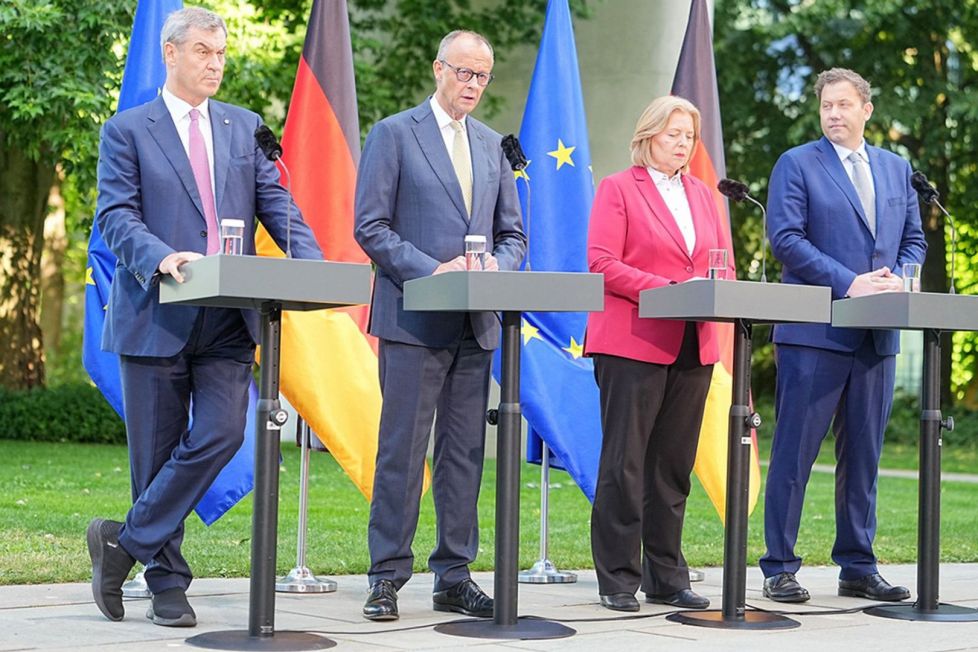
Faced with the urgent need for far-reaching reforms to modernize the country and revive its economy, the leaders of Germany's governing coalition unveiled 34 measures in Berlin on July 2, covering a wide range of issues, including the labour market. Below is a summary of the measures affecting employees and employers. The proposed abolition of the eight-hour working day as the reference framework has been postponed to avoid a major confrontation with the trade unions.
Enjoy this article for free while you’re in your trial period
You have access to our content for 1 month.

With the German economy continuing to stagnate, the parties in government—the Chancellor Merz’s conservative alliance and the Social Democratic Party (SPD)—have finally begun to deliver the major reforms they have been promising for the past year. Following eight hours of negotiations and arbitration, members of the Coalition Committee, led by Chancellor Friedrich Merz, announced 34 measures on 2 July aimed at reducing bureaucracy and reforming taxation, healthcare, pensions and the labour mark

You are reading this article thanks to your trial period.
Explore new horizons by checking out our other verticals:
You are reading this article thanks to your subscription to Mind Retail.
Explore new horizons by checking out our other verticals:
Do you have information to share with us?
What you absolutely must read this week
The essential content of the week selected by the editorial team.
See all
Portugal: open consultation on the transposition of the Pay Transparency Directive
The news. On 5 August 2026, the Portuguese government published a document proposing a draft text to transpose the EU Pay Transparency Directive as the basis for a public consultation open until...
EU: the Commission will set up an Expert Group on the impact of AI in the world of work
The news. On 22 July 2026, the European Commission published a progress report on the EU-27’s achievements regarding the objectives of the European Pillar of Social Rights, reinforced by the...
Belgium: toward an additional five days of leave following the birth of a child
The news. On 18 July, the Belgian federal government approved a draft bill introducing an additional five days of leave following the birth of a child. This entitlement would be added to existing...
Germany: a national action plan to strengthen collective bargaining
The news. On 22 July, the German federal government unveiled a national action plan to promote collective bargaining in response to the requirements of the EU minimum wage directive. The directive...
Most viewed articles of the month on mind HR
What readers clicked on the most last month.
1
Belgium: toward an additional five days of leave following the birth of a child
The news. On 18 July, the Belgian federal government approved a draft bill introducing an additional five days of leave following the birth of a child. This entitlement would be added to existing...
2
Portugal: open consultation on the transposition of the Pay Transparency Directive
The news. On 5 August 2026, the Portuguese government published a document proposing a draft text to transpose the EU Pay Transparency Directive as the basis for a public consultation open until...