Context
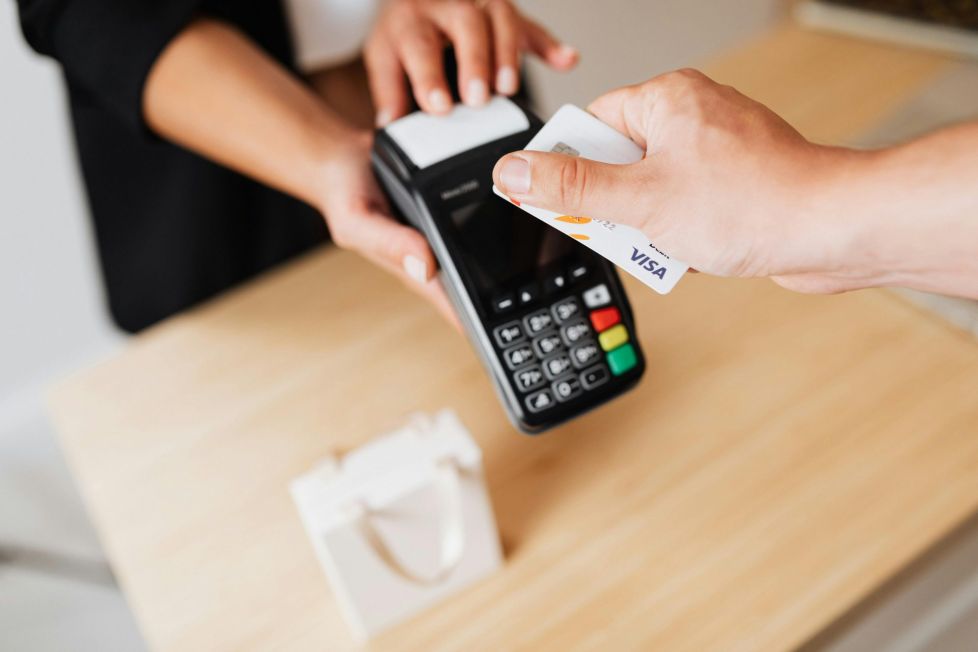
As the final stage of the purchasing process and a key moment for collecting revenue, payment is a critical issue for merchants. Today, the most established payment methods in France are credit card payments (which can also be made contactless or via NFC, or using a mobile wallet such as Apple Pay): in 2024, it accounted for 69% of spending, according to BPCE (latest data available, +8 points vs. 2019). Next comes cash payment (in 2024, 14% of card transactions were cash withdrawals, down 5 points since 2019). For retailers, this is a matter of great importance. Consumers may abandon their shopping cart when they cannot find their preferred payment method or if they encounter friction. In addition, retailers are facing rising costs due to increases in Visa and Mastercard fees (+75% between 2016 and 2021 in France) and the proliferation of payment methods (PayPal, etc.).
In-store, dematerialised payment has become the norm. According to BPCE’s Digital Payments barometer, in 2025, 67% of total transactions in France were contactless, whether by card or mobile, compared with 29% in 2019. A level in line with the year 2024. Among under-35s, this payment method represents 80% of their purchases. Meanwhile, cash payments continue to decline. In 2024, cash accounted for 12% of the value of in-store transactions (latest data available) compared with 44% 10 years earlier.
In e-commerce, wallets have overtaken card payments worldwide. According to Worldpay, wallets represented 53% of global online payments in 2025 by value, compared with 32% for credit and debit cards.

Journaliste économique pour mind Retail depuis 2024, j’analyse la transformation digitale du commerce.
