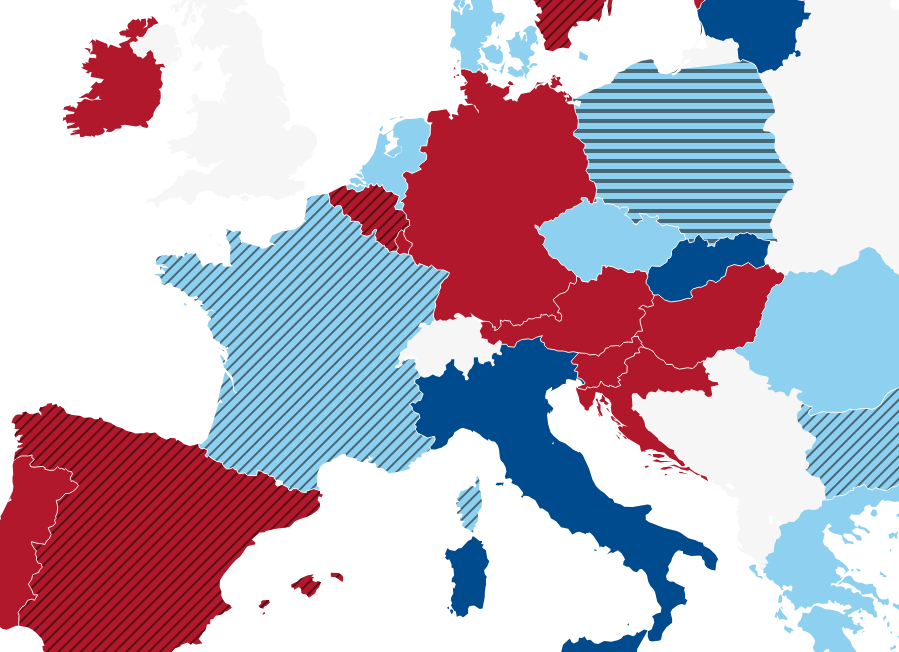
While the pay transparency directive was due to be transposed by 7 June 2026, most EU Member States, including Germany and France, are lagging behind in the process. mind HR takes stock of the progress of national legislation and its specific features, against the backdrop of pay gaps that are slow to close across the 27 European countries.
Adopted in 2023, the European pay transparency directive will require employers to shed light on their pay structures and apply gender-neutral criteria. The goal is to narrow the pay gap, given that for equivalent working hours, women’s average pay within the European Union (EU) remains 10.5% lower than men’s, according to our calculations based on the most recent data shared by Eurostat. For its part, the European statistical office reports a fairly similar average, weighted by the number of w
…Do you have information to share with us?
Article authors

Antoine Piel
Section Head at Mind HR

Caroline Soutarson
Datajournaliste
Datajournaliste au sein du groupe mind. Ex-cheffe de rubrique Investissement chez mind Fintech.